


Service
Walkthrough/Animations
Virtual walkthroughs and animations are powerful tools used in various industries, including architecture, engineering, construction, real estate, interior design, and entertainment, to provide immersive visualizations of projects. Here’s an overview of virtual walkthroughs and animations:
.
.
.
.
.
.
.
.
.
.
.
.
.
.
.
.
.
.
.
.
.
.
.
.
.
.
.
.
.
.
.
.
.
.
.
.
.
.
.
.
.
.
.
.
.
.
.
Virtual Walkthrough
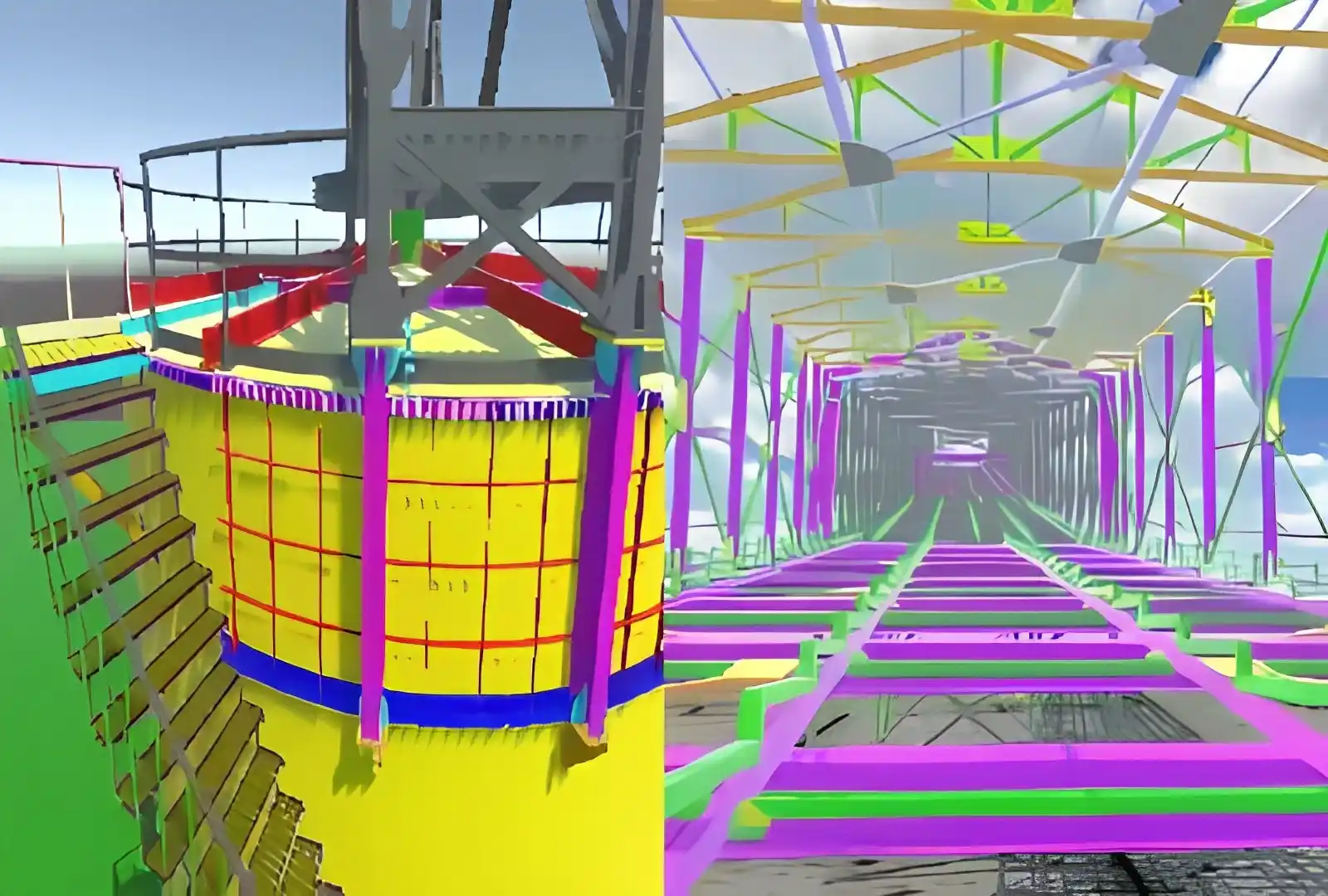
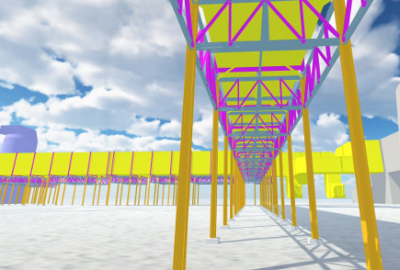
- Virtual walkthroughs allow users to navigate through a digital representation of a physical space in real-time
- They provide a first-person perspective, giving viewers the sensation of physically moving through the environment.
- Virtual walkthroughs are often created using 3D modeling software and can be experienced on desktop computers, mobile devices, or virtual reality (VR) headsets.
Service
Applications of Virtual Walkthrough
Engineering
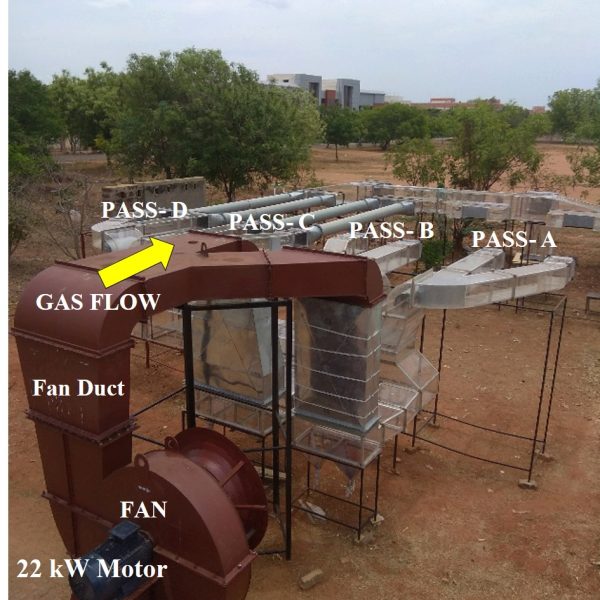
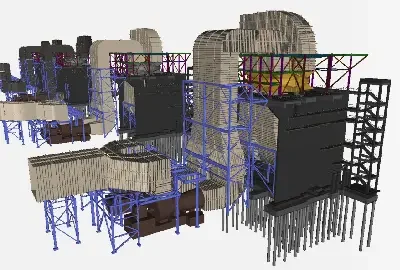
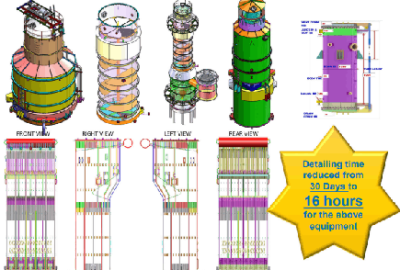
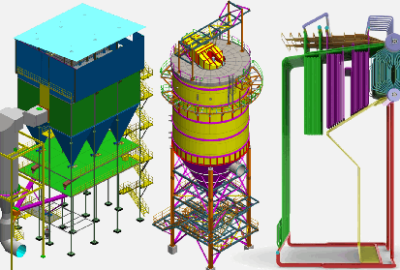
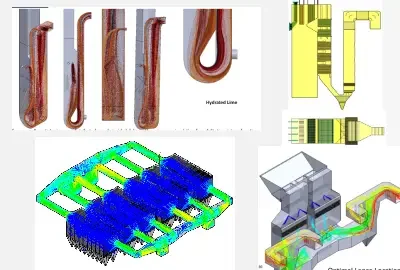
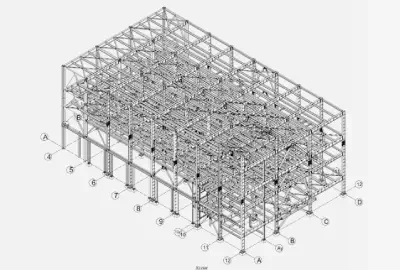
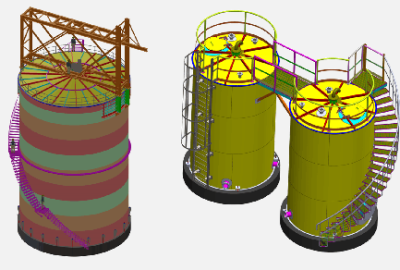
Engineers use virtual walkthroughs to visualize complex systems, such as industrial plants, factories, and infrastructure projects, to optimize layouts and identify potential operational issues.
Architecture and Real Estate
Architects, developers, and real estate agents use virtual walkthroughs to showcase architectural designs, interior layouts, and property listings to clients and investors.
Construction
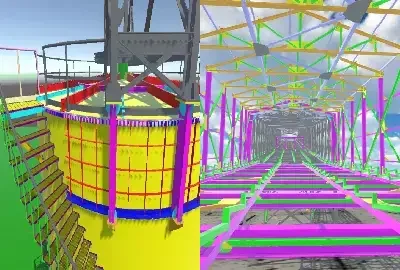
Virtual walkthroughs help construction teams visualize building designs and identify potential conflicts or design flaws before construction begins. They can also be used for safety training and project planning.
Interior Design
Interior designers create virtual walkthroughs to present design concepts, furniture arrangements, and material selections to clients for approval.
Training and Simulation
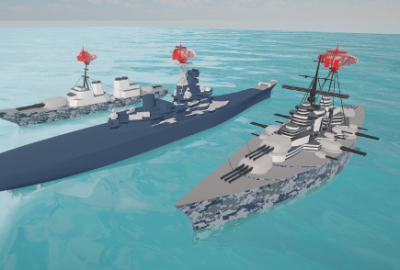
Virtual walkthroughs are used for training simulations in fields such as healthcare, aviation, and military, allowing users to practice procedures and scenarios in a realistic virtual environment.
Animations
Overview
Animations are sequences of images or frames that create the illusion of motion when played in sequence. In the context of architectural and engineering projects, animations are often used to visualize the construction process, demonstrate how equipment operates, or showcase design features.
Types
Flythrough Animations
These animations provide a guided tour of a digital environment, similar to a virtual walkthrough but with a predetermined camera path.
Construction Sequences
Construction animations illustrate the step-by-step assembly of buildings, infrastructure, or machinery, showing how components come together over time.
Exploded Views
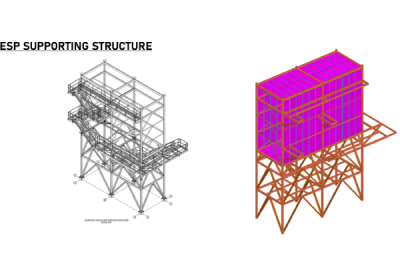
Exploded animations break down complex structures into individual components, demonstrating how they fit together and operate.
Functional Demonstrations
Animations can be used to demonstrate the functionality of equipment, machinery, or systems, showing how they operate in different scenarios.